
As the automotive industry evolves, dealerships must adapt their marketing strategies to meet changing consumer expectations.
Key approaches include leveraging social media advertising and creating personalized email campaigns that resonate with potential buyers. Additionally, enhancing online presence and incorporating innovative technologies are essential.
Understanding these strategies can provide a competitive edge. However, the question remains: how can dealerships effectively implement these tactics to maximize their sales potential in 2025?
A significant number of automotive dealerships are increasingly recognizing the importance of social media advertising as a vital component of their marketing strategies. By leveraging platforms such as Facebook, Instagram, and Twitter, dealerships can reach a broader audience, engage with potential customers, and showcase their inventory.
Targeted ads allow for precise demographic segmentation, ensuring that promotions reach the right individuals. Additionally, organic content, including videos and customer testimonials, fosters community engagement and builds brand loyalty.
As consumers increasingly turn to social media for information and recommendations, dealerships that embrace these platforms position themselves to enhance visibility and drive sales effectively.
Building on the success of social media advertising, automotive dealerships can further enhance their marketing efforts by personalizing email marketing campaigns. Tailoring messages based on customer preferences, purchase history, and demographics can greatly boost engagement rates.
By segmenting their email lists, dealerships can deliver targeted promotions and relevant content, ensuring customers receive information that resonates with them. Utilizing dynamic content in emails, such as personalized recommendations or special offers, can create a more engaging experience.
Consistent follow-ups and timely communication also foster customer relationships, ultimately leading to increased sales and loyalty in a competitive automotive market.
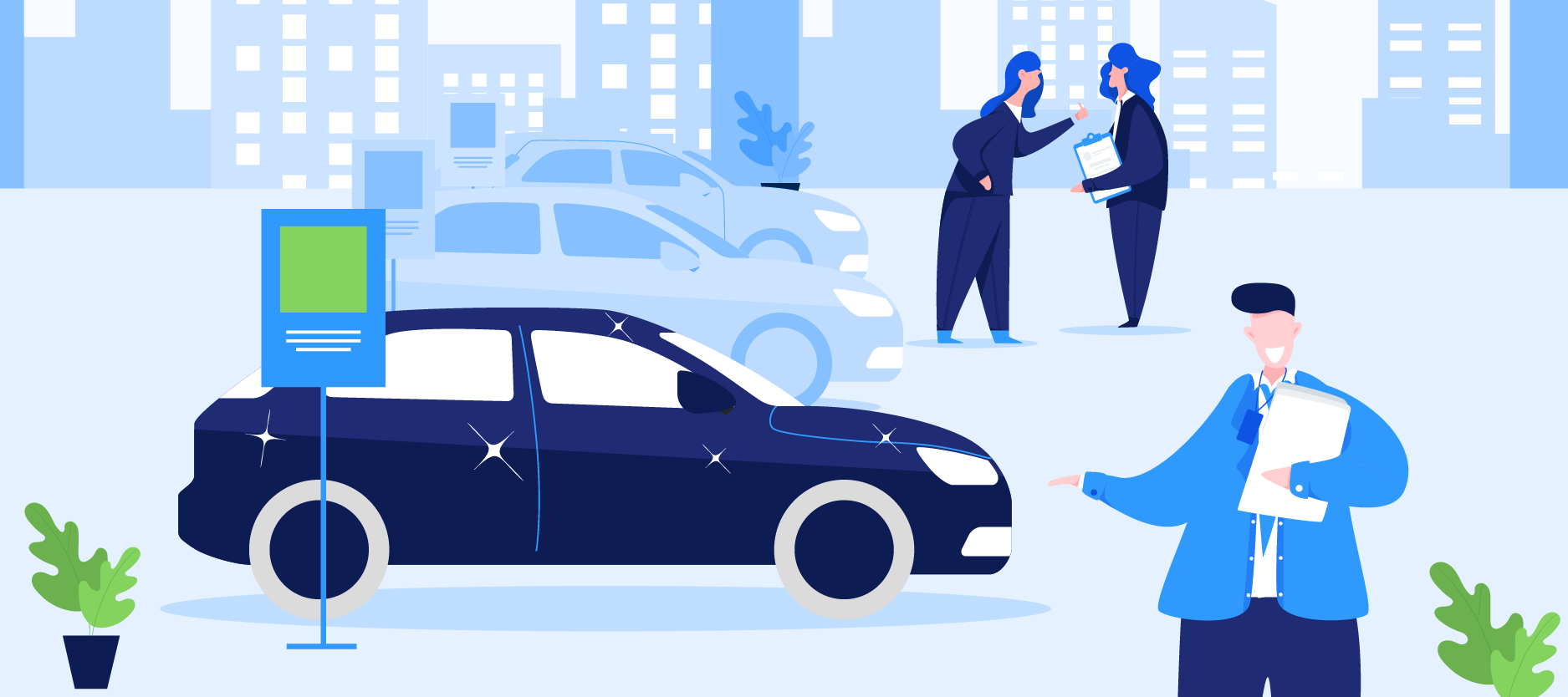
How effectively does a dealership engage customers online? A robust online presence is vital for attracting potential buyers. Dealerships should guarantee their websites are user-friendly, mobile-optimized, and visually appealing, offering easy navigation and thorough vehicle information.
Social media platforms serve as essential tools for fostering customer interactions and showcasing inventory. Engaging content, such as virtual tours and customer testimonials, enhances credibility and interest. In addition, search engine optimization (SEO) strategies can improve visibility in search results, driving organic traffic.
By prioritizing these elements, dealerships can create a seamless online experience, ultimately leading to increased customer engagement and higher sales conversions.
While many dealerships recognize the importance of marketing, utilizing data analytics can considerably enhance their targeting efforts. By analyzing customer data, dealerships can identify trends, preferences, and behaviors, allowing for tailored marketing campaigns.
This targeted approach guarantees that promotions reach the right audience at the right time, increasing engagement and conversion rates. Furthermore, data analytics enables dealerships to measure the effectiveness of their marketing strategies, facilitating adjustments that optimize results.
By leveraging insights from customer interactions, inventory turnover, and market trends, dealerships can create personalized experiences that resonate with potential buyers, ultimately driving sales and fostering long-term customer loyalty.
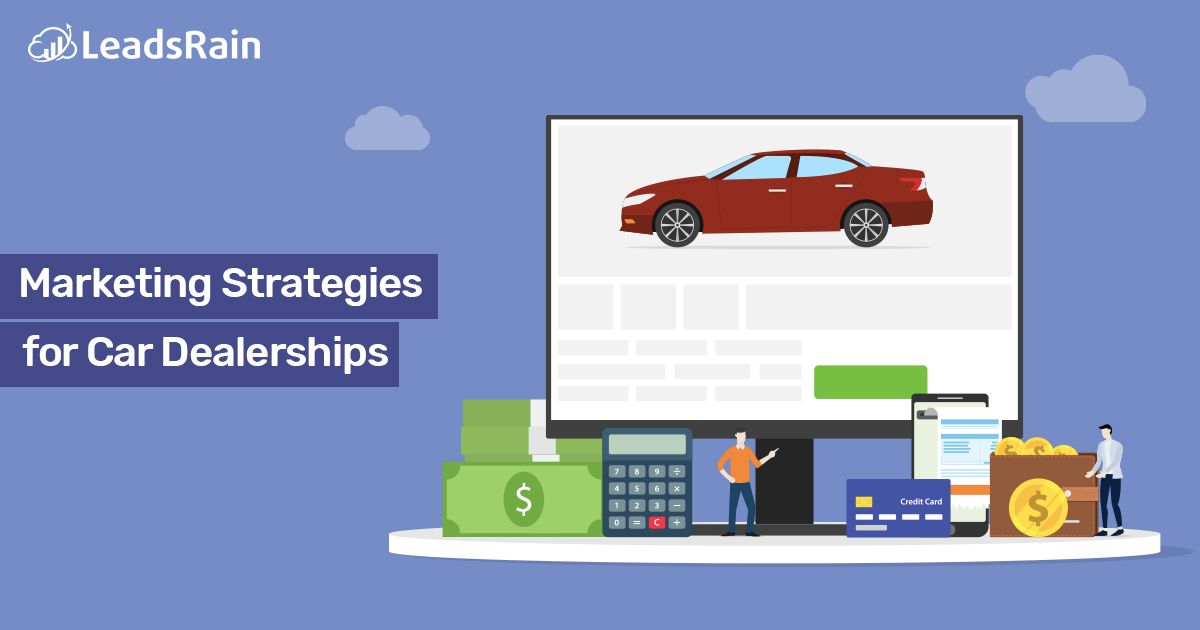
The integration of virtual reality (VR) and 360-degree tours into automotive dealership marketing can greatly elevate the customer experience. By allowing potential buyers to explore vehicles in an immersive environment, dealerships can showcase features and specifications in an engaging manner.
Customers can virtually step inside and examine the interior, enhancing their understanding and emotional connection to the vehicle. This technology not only saves time but also widens the dealership's reach, attracting remote buyers who may not visit in person.
As VR continues to evolve, its incorporation into marketing strategies will likely become essential for staying competitive in the automotive industry.
Building strong customer relationships is essential for automotive dealerships, and loyalty programs serve as a powerful tool in this endeavor. By offering incentives such as discounts, exclusive access to events, or maintenance packages, dealerships can encourage repeat business and enhance customer satisfaction.
These programs not only reward loyal customers but also create a sense of community and belonging. Additionally, effective communication through personalized marketing can strengthen these bonds further.
As dealerships implement tailored loyalty initiatives, they can foster trust and engagement, ultimately leading to increased sales and customer retention in an increasingly competitive market.
Website content should be updated regularly, ideally every few weeks. This frequency helps maintain engagement and improves search engine rankings. Seasonal promotions, new vehicle arrivals, and industry news are key updates that keep the content relevant. Additionally, blog posts and customer testimonials can be added to enhance user experience. Consistent updates not only attract returning visitors but also demonstrate the dealership's commitment to providing valuable, current information to potential customers.
To measure the success of marketing campaigns, one can analyze key performance indicators (KPIs) such as conversion rates, return on investment (ROI), and customer engagement metrics. Tracking website traffic, social media interactions, and lead generation can provide insights into effectiveness. Surveys and feedback can also gauge customer satisfaction. Regularly reviewing these metrics enables adjustments to strategies, ensuring ongoing improvement and alignment with business goals, thereby enhancing overall marketing effectiveness.
To measure the success of marketing campaigns, one should analyze key performance indicators (KPIs) such as conversion rates, customer engagement, and return on investment (ROI). Tracking website traffic, social media interactions, and sales figures can provide insight into effectiveness. Utilizing tools like Google Analytics helps to assess metrics over time. Customer feedback and surveys can also gauge the campaign's impact on brand perception and customer satisfaction, offering a thorough view of success.